
How Nature Helps Reduce Stress and Anxiety
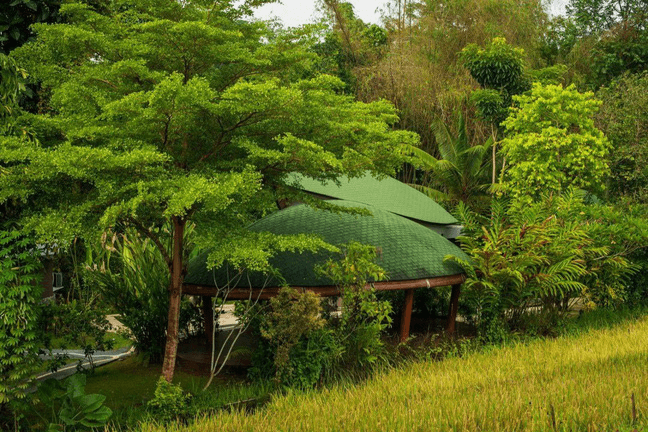
Think about the last time you stood somewhere green and quiet, such as a hillside, a riverbank or a garden at dusk. Chances are your breathing slowed down before you noticed. Your shoulders dropped, and for a minute or two your mind stopped racing.
That small shift is worth understanding. Researchers have been studying why natural settings seem to calm us, and the findings are encouraging. Nature is not a cure for anxiety, but it is one of the simplest, most accessible ways to give a tired nervous system a break.
This article looks at what stress does to the body, how time outdoors may help, how much you need, and how to build more of it into your life, whether at home or on a stay in Bali.
When the Body Stays on Alert
Stress is useful in small doses. It sharpens focus and gets you through a tight deadline. The problem is that modern life rarely lets the alarm switch off. Emails, news, traffic, noise and constant decisions keep the body in a low-level state of alertness.
Over time, that can show up as:
A mind that will not slow down at night
Tension in the neck, shoulders or jaw
Shallow breathing and a restless feeling
Irritability or difficulty concentrating
A sense of being permanently "switched on"
Anxiety often grows in this environment. The answer is rarely more effort. More often, it is a change of surroundings that lets the body stand down.
Four Ways Nature Seems to Help
It lets your attention rest
Cities and screens demand sharp, directed attention all day. Natural settings work differently. Moving leaves, rippling water or clouds drifting across the sky hold your interest gently, without any effort. Psychologists describe this as a chance for the mind to recover from mental fatigue.
It can quiet the loop of worry
Anxious thinking often runs in circles. A well-known study from Stanford University found that people who walked for 90 minutes in a natural area reported less repetitive, negative thinking afterwards than those who walked along a busy road. The researchers also saw reducedactivity in a brain region linked to rumination. You can read the details in the PNAS study on nature experience and rumination.
It invites the body to slow down
Fresh air, soft light and uneven ground change how you move and breathe. Many people naturally take deeper breaths outdoors, and their pace eases without any instruction. Gentle movement such as walking, stretching or yoga adds to the effect.
It resets your daily rhythm
Daylight helps regulate your body clock, and better sleep makes stress easier to handle. Time outside, especially in the morning, supports this natural cycle in a way that indoor lighting cannot.
How Much Time Do You Actually Need?
The good news is that you do not need a month in the wilderness. A large study of almost 20,000 people in England found that those who spent at least two hours a week in natural settings were more likely to report good health and wellbeing. The time could be one long visit or several short ones. The findings are published in Scientific Reports.
That result shows an association rather than proof, and everyone responds differently. Still, it suggests something practical: small, regular doses count. Twenty minutes in a park most days may do more for you than a single big trip once a year.
Different Landscapes, Different Kinds of Calm
Not every natural setting feels the same, and it helps to notice which ones suit you.
Forests and gardens tend to feel enclosed and soothing, with soft light and the smell of leaves and earth.
Water, whether a river, lake or sea, gives a sense of space and rhythm. The sound alone can be calming.
Open fields and rice terraces let your eyes travel to the horizon. Wide views often bring a sense of perspective, which can make problems feel a little smaller.
Natural sounds, such as birdsong, insects, wind and flowing water, create a soft background that is very different from traffic or office noise.
If you are not sure what appeals to you, try a few and pay attention to how you feel afterwards.
Bringing Nature Into an Ordinary Week
You do not need to leave your city to start. These small habits are easy to keep:
Walk without a destination. Ten minutes around a green block or park is enough.
Take one meal outside when the weather allows, away from your desk.
Open a window and listen, rather than putting on background noise.
Add plants to the spaces where you work and rest.
Keep your phone in your bag during outdoor time so you actually notice where you are.
Plan one longer outing each week to a larger park, a coast or a hill.
The aim is not exercise or distance. It is noticing: the colour of the light, the sound of leaves, the feeling of your feet on the ground.
When a Longer Stay in Nature Makes Sense
Sometimes the everyday habits are not enough. If you feel run down, overstimulated or unable to switch off at home, a few days in a genuinely quiet, green setting can make slowing down much easier. There are fewer demands, fewer screens and no commute to rush through.
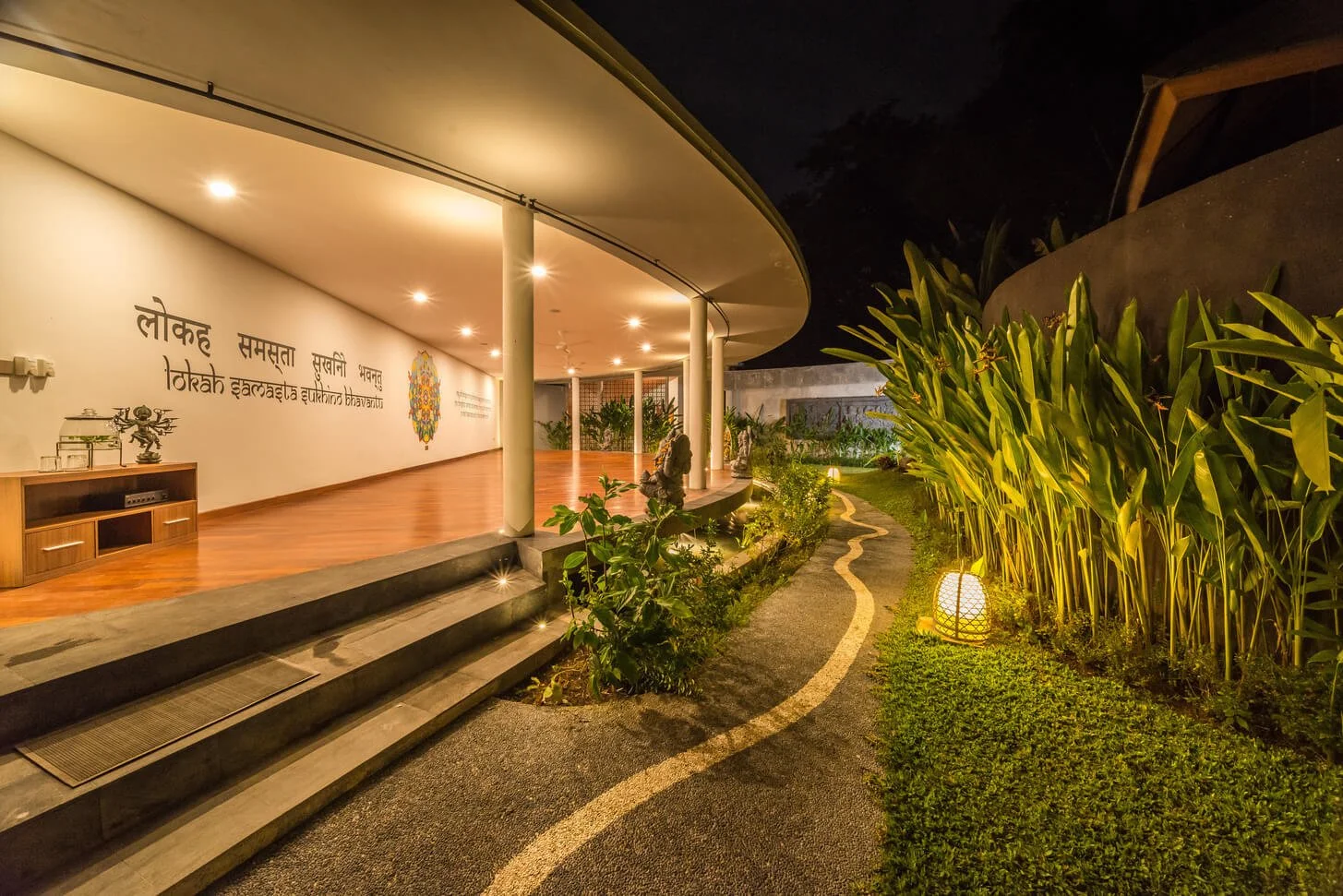
This is one reason many people look to Bali's quieter regions. De Moksha sits in Tabanan Regency near Tanah Lot, surrounded by rice fields, tropical greenery and village life, away from the busiest tourist areas. The resort is designed around its setting, with open-air bathrooms, saltwater pools and yoga shalas among the plants, so being outdoors is part of daily life rather than a separate outing.
Guests can add experiences that bring them closer to the landscape, such as a rice fields walking tour or a village cycling tour. Others prefer yoga, a spa treatment or a cultural workshop such as Balinese offering-making. You can see what is currently offered on the De Moksha Yoga & Wellness Center page and the wellness page. Programmes, timings and prices can change, so check before you book.
If you like some structure, the retreat programmes combine yoga, meditation and Balinese cultural experiences with free time. If you prefer to go at your own pace, you can book a villa independently, with river-view, pool-access and private-pool options. Meals are plant-based and made with locally sourced ingredients, which you can read about on the dining page.
A Gentle Three-Day Plan for First-Timers
If you have never planned a nature-focused break, this simple outline shows how little you need to fill:
Day one: arrive and settle. Keep the day empty. Walk around the grounds, swim, eat slowly and go to bed early. Resist the urge to organise anything.
Day two: move gently. Start with stretching or yoga in the morning. In the afternoon, take a walk or bike ride through the nearby rice fields. Finish the day with quiet time and no screens.
Day three: choose what you enjoy. Add one activity that feels creative or cultural, or simply repeat what you liked best yesterday. Visit Tanah Lot at sunset if you want some coastline.
Notice that nothing here is demanding. The idea is to remove pressure, not add a new schedule.
A Note on Limits
It is important to be honest about what nature can and cannot do. Time outdoors can support your wellbeing, but it does not replace medical or psychological care. If stress or anxiety is affecting your sleep, work, relationships or daily functioning, speak to a doctor or a qualified mental health professional. Nature works best as a companion to that support, not a substitute for it.
It is also fine if the first outing does not feel magical. Some people need a little time to settle, especially if they are used to constant stimulation. Keep trying, and keep it enjoyable.
Frequently Asked Questions
-
Natural settings give your attention a rest, can quiet repetitive thoughts, encourage slower breathing and support healthy sleep patterns. Fewer screens and less noise also help the body relax.
-
One large study linked around two hours a week with better reported health and wellbeing. You can spread this over several short visits. Regular, enjoyable time matters more than hitting an exact number.
-
No. Parks, gardens and tree-lined streets all offer benefits. A remote setting simply makes it easier to disconnect for longer.
-
Yes. You do not need any yoga or meditation experience, and you can join activities at your own level. Many guests simply want a quiet, green place to rest.
-
Yes. De Moksha is an eco-friendly boutique resort as well as a retreat destination, so you can book a villa independently and add activities when you feel like it, depending on availability.
Make Space to Breathe
Nature does not ask anything of you. It offers light, air, water and quiet, and lets your body remember how to slow down. Whether you start with ten minutes in a local park or plan a longer stay somewhere green, the first step is simply to go outside and pay attention.
If you are dreaming of a calm base in Bali, explore De Moksha or book your stay.