
The Science Behind Meditation and Mental Clarity

You sit down to focus and your mind jumps between emails, tomorrow's plans and a song you heard this morning. Mental fog is one of the most common complaints of modern life, and it is a big reason meditation has moved from ancient tradition into laboratories and hospitals.
The interesting part is that meditation is no longer valued only for how it feels. Researchers have been studying what it does to attention, stress and brain structure. The results are not magic, and they are not instant, but they point to something real: regular practice can help the mind become calmer and clearer.
This guide explains the science of meditation in plain language, what the evidence does and does not show, and how to build a practice that works for you
1. What Mental Clarity Actually Means
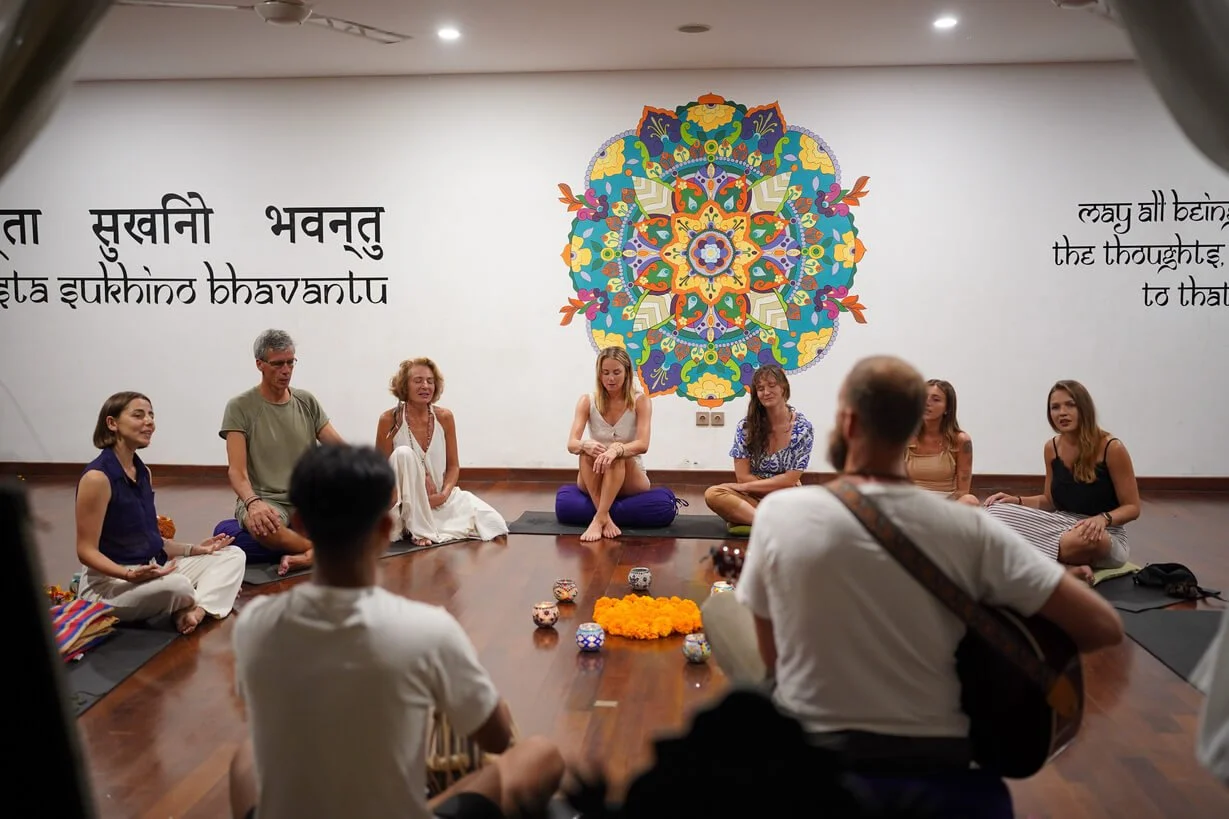
Before looking at the research, it helps to define the goal. Mental clarity is not an empty mind. It is the ability to think clearly, focus on one task, notice distraction and return your attention without effort or frustration.
In scientific terms, it draws on several skills: sustained attention, working memory, emotional regulation and cognitive flexibility. Stress, poor sleep and constant digital interruption weaken all of them. Meditation trains them directly, which is why it is often described as exercise for attention.
2. How Meditation Changes Where Your Attention Goes
Most meditation techniques share one core exercise: choose an anchor, such as the breath, notice when the mind wanders, and gently bring it back.
That loop of noticing and returning is the active ingredient. Each time you catch a wandering thought, you strengthen the mental muscle that lets you redirect focus. Over weeks, many people find they catch distraction sooner in everyday life too, during a conversation, a work task or a long read.
Some studies have found that short periods of mindfulness training were linked to better performance on attention and reading comprehension tasks, along with less mind wandering. Results vary by study design, but the direction is consistent.
3. The Default Mode Network and the Wandering Mind
When you are not focused on a task, a group of brain regions known as the default mode network becomes active. It is associated with self-referential thinking: replaying conversations, worrying about the future and daydreaming.
The default mode network is not bad. It supports memory and creativity. But when it runs constantly, it fuels rumination and distraction. Brain imaging research suggests that experienced meditators show different activity in this network, including less constant engagement and stronger connections with regions involved in attention and self-monitoring.
In practical terms, this may help explain why long-term meditators often describe their thoughts as quieter or easier to observe rather than being swept up in them.
4. Meditation and the Stress Response
Stress is one of the biggest enemies of clear thinking. When your brain senses a threat, the amygdala, the region that processes fear and emotion, triggers a cascade of stress hormones, including cortisol. In the short term this is useful. When it stays switched on, memory, focus and decision-making suffer.
Research on mindfulness-based programs suggests that regular practice can reduce perceived stress and may change how the amygdala responds to it. A widely cited eight-week study using brain imaging found that participants who completed a mindfulness program showed changes in brain regions linked to learning, memory and emotional regulation. You can read the original study on PubMed.
The takeaway is cautious but encouraging: meditation seems to help people respond to stress rather than react to it, and a calmer nervous system leaves more room for clear thinking.
5. Can Meditation Really Change the Brain?
The concept behind these findings is neuroplasticity: the brain's ability to reorganize itself based on repeated experience. Learning an instrument or a language changes the brain, and attention training appears to as well.
Some imaging studies have reported differences in gray matter density in regions tied to learning, emotion regulation and perspective taking among people who meditate regularly. It is important to be honest about the limits here. Many studies are small, and it can be hard to separate the effect of meditation from other lifestyle factors. Scientists generally describe the evidence as promising rather than conclusive.
Still, the overall picture is consistent enough that meditation is now studied as a practical tool for attention and wellbeing, not just a spiritual one.
6. Breath, the Nervous System and a Clearer Head
Meditation is not only about the brain. The body plays a large role. Slow, steady breathing activates the parasympathetic nervous system, often called the "rest and digest" mode. Heart rate slows, muscles relax and the body signals that it is safe.
This matters for clarity because a body in alert mode keeps the mind busy scanning for problems. Breath-focused practices, such as counting breaths or lengthening the exhale, give the body a direct way to settle. This is also why yoga and meditation pair so naturally: movement releases physical tension, and stillness then feels easier.
7. Sleep, Mood and the Wider Benefits
Mental clarity depends heavily on sleep and mood, and meditation has been studied in both areas. Research summarized by the U.S. National Center for Complementary and Integrative Health suggests meditation may help reduce symptoms of anxiety and depression and may support better sleep, although effects differ between people and techniques. See the NCCIH overview of meditation and mindfulness for a balanced summary.
Meditation is not a replacement for medical care. If you are dealing with persistent anxiety, depression or sleep problems, speak with a qualified health professional. Meditation can work alongside treatment, not instead of it.
8. How Long Until You Notice a Difference?
There is no universal timeline, but a few patterns appear in the research and in practitioners' experience:
Within days: many people feel calmer or more relaxed right after a session.
Within a few weeks: regular practice, even 10 to 15 minutes a day, is often enough to notice less reactivity and easier focus.
Within months: benefits tend to deepen as the habit becomes steady.
Consistency matters more than duration. Ten minutes every day usually does more than an hour once a month.
9. A Simple Practice to Try Today
You do not need special equipment or experience. Here is a beginner-friendly routine:
Sit comfortably with your spine upright and your hands resting.
Set a timer for 10 minutes.
Close your eyes or soften your gaze and notice your natural breath.
When your mind wanders, silently note "thinking" and return to the breath.
Finish by taking a slow breath and opening your eyes gently.
Expect your mind to wander often. That is not failure. Noticing and returning is the practice itself.
10. Why Environment Helps You Go Deeper
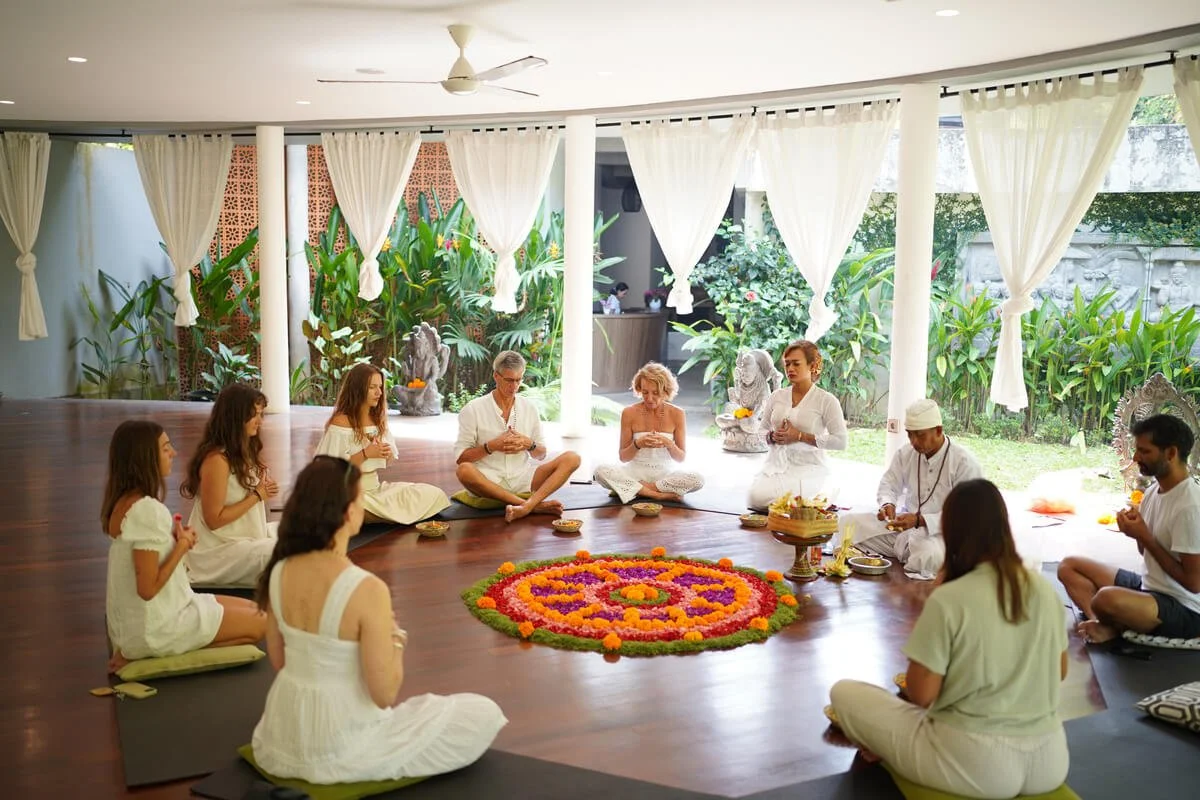
There is a reason many people find meditation easier away from home. Familiar surroundings come with familiar to-do lists, notifications and routines. A quiet natural setting reduces those cues, so attention settles faster.
This is one of the reasons meditation retreats are popular. Guidance from experienced teachers, a daily rhythm of practice and an environment built around calm make it easier to turn a habit into a lasting skill.
11. Who Can Benefit From Meditation?
Meditation is flexible, and many kinds of people find value in it:
Busy professionals who feel scattered or overstimulated
Students and creatives who want sharper focus
Anyone managing everyday stress
Yoga practitioners looking to deepen the mental side of their practice
Travelers who want a more restorative kind of holiday
It may be less suitable to start intensively without guidance if you have experienced trauma or are going through a mental health crisis. In that case, work with a trained professional first.
Learn Meditation in a Setting Made for Stillness
If you would like to experience meditation rather than only read about it, De Moksha offers a quiet base for it in Tabanan, near Tanah Lot, surrounded by rice fields, tropical greenery and a river.
Guests can explore yoga and wellness experiences and the De Moksha Yoga & Wellness Center, join a retreat, or deepen their practice through yoga teacher training. When you are ready to plan your stay, you can compare De Moksha's villa categories to find the setting that suits you.
Mental clarity is not about forcing your mind to be quiet. It is about creating the conditions where it can settle, and that is something both science and centuries of practice agree on.
Frequently Asked Questions
-
Meditation trains attention by repeatedly practicing noticing distraction and returning focus. It also lowers stress reactivity, which helps working memory and decision-making function better.
-
Most beginners start with 10 to 15 minutes daily. Regularity matters more than length, and many people notice small changes in focus and calm within a few weeks.
-
Some studies using brain imaging have found structural and functional differences in regular meditators, especially in areas related to attention and emotion regulation. The research is promising, though many studies are small and more work is needed.
-
They overlap but are not identical. Mindfulness is the skill of paying attention to the present moment without judgment. Meditation is the formal practice, in many styles, used to build that skill and others.
-
Research suggests it can reduce perceived stress and may ease anxiety symptoms for some people. It is not a replacement for professional treatment when symptoms are significant.
-
Breath awareness is the most common starting point because it is simple and needs no tools. Guided meditations and short body scans are also beginner friendly.
-
No. You can begin at home with a few minutes a day. A retreat can help you go deeper with expert guidance and fewer distractions, but it is optional.
-
Yes. Yoga prepares the body through movement and breath, which often makes seated meditation more comfortable and focused.