
Signs You Need a Wellness Retreat: 7 Clues It May Be Time to Slow Down
There are times when feeling tired is simply part of life. A busy week, a demanding project, family responsibilities or a packed schedule can leave anyone needing a little rest.
But sometimes the feeling does not disappear when the busy period ends. You wake up tired, find it difficult to switch off, keep postponing time for yourself, or realize that your usual routines no longer feel enjoyable.
That does not automatically mean you need a wellness retreat. It may simply be a sign that you need more rest, better boundaries, a change of routine or support from people you trust. For some people, however, stepping away from everyday responsibilities for a few days can create the space to slow down and reconnect with what they actually need.
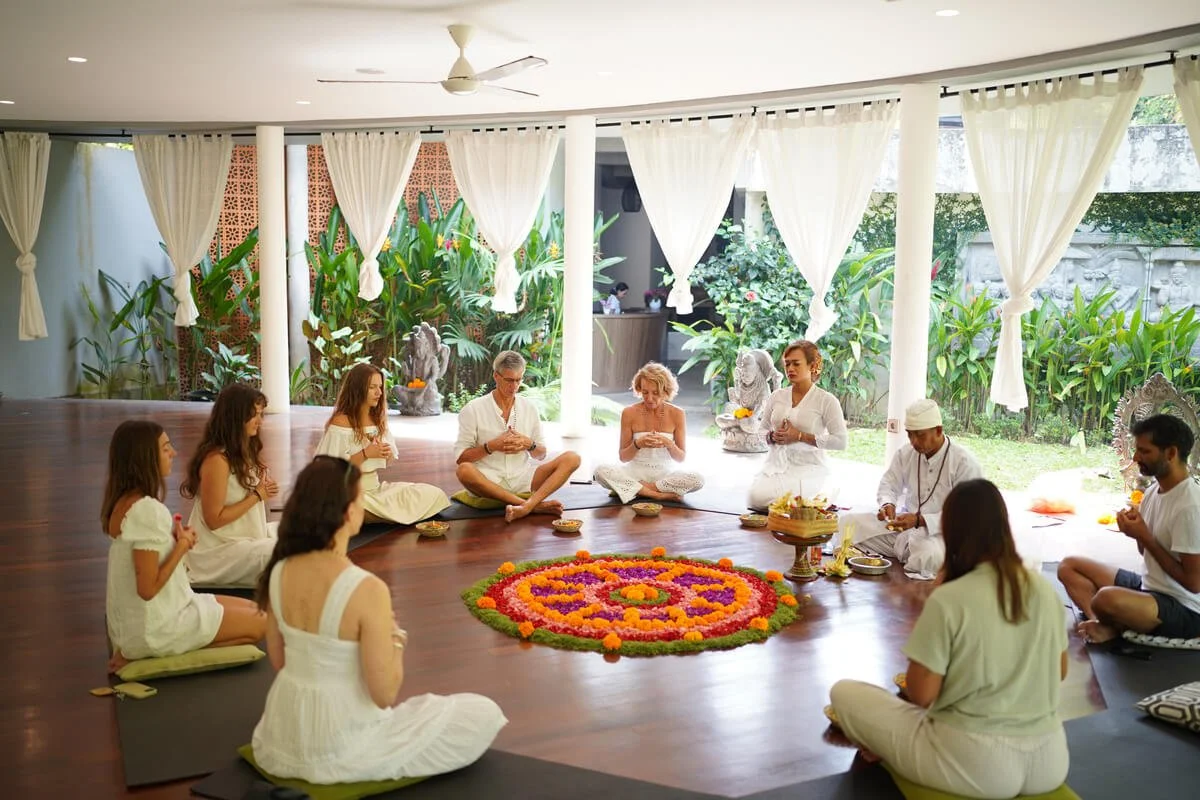
A wellness retreat can offer that kind of pause. Instead of filling every hour with sightseeing, it can combine quiet time with activities such as yoga, meditation, spa treatments, nature experiences and cultural activities.
So how do you know when it might be worth considering one?
1. You Feel Tired Even After Rest
One of the clearest signs that you may need a proper break is when ordinary rest no longer feels particularly restorative.
You may sleep in on the weekend but still feel mentally tired on Monday. You may take a day off but spend most of it thinking about unfinished tasks. Or you may notice that your body is resting while your mind continues working. When this becomes a long-running pattern tied to chronic stress, it is worth knowing that the World Health Organization describes burn-out as an occupational phenomenon resulting from chronic workplace stress that has not been successfully managed.
A short wellness break can give you something different from simply staying home: distance from familiar responsibilities and a change in your daily rhythm.
The goal is not to "fix" yourself in a few days. It is to create room for rest without the constant feeling that you should be doing something else.
2. You Cannot Remember the Last Time You Had Real Time for Yourself
When your calendar is full of work, family, errands, messages and commitments, personal time can become the first thing to disappear.
You might tell yourself that you will take a break next weekend, after the next project, after the next deadline or once everything at home is organized.
There is rarely a perfect moment.
A wellness retreat can make personal time part of the plan rather than something you have to squeeze between responsibilities. At De Moksha, retreat schedules include dedicated personal time alongside yoga, meditation, meals and cultural activities.
This balance matters because a retreat does not have to mean being busy from morning until night. Sometimes the most useful part of a wellness stay is having permission to do less.
3. Your Mind Feels Constantly "On"
Do you check your phone immediately after waking up? Think about work while eating? Move from one task to another without really stopping?
A constantly active mind can make it difficult to enjoy even the things you normally like.
You may not need a dramatic life change. You may simply need a different environment where the usual triggers and routines are temporarily removed.
A quiet setting, slower mornings, mindful movement and periods without scheduled commitments can help you notice how you actually feel when you are not rushing from one responsibility to another.
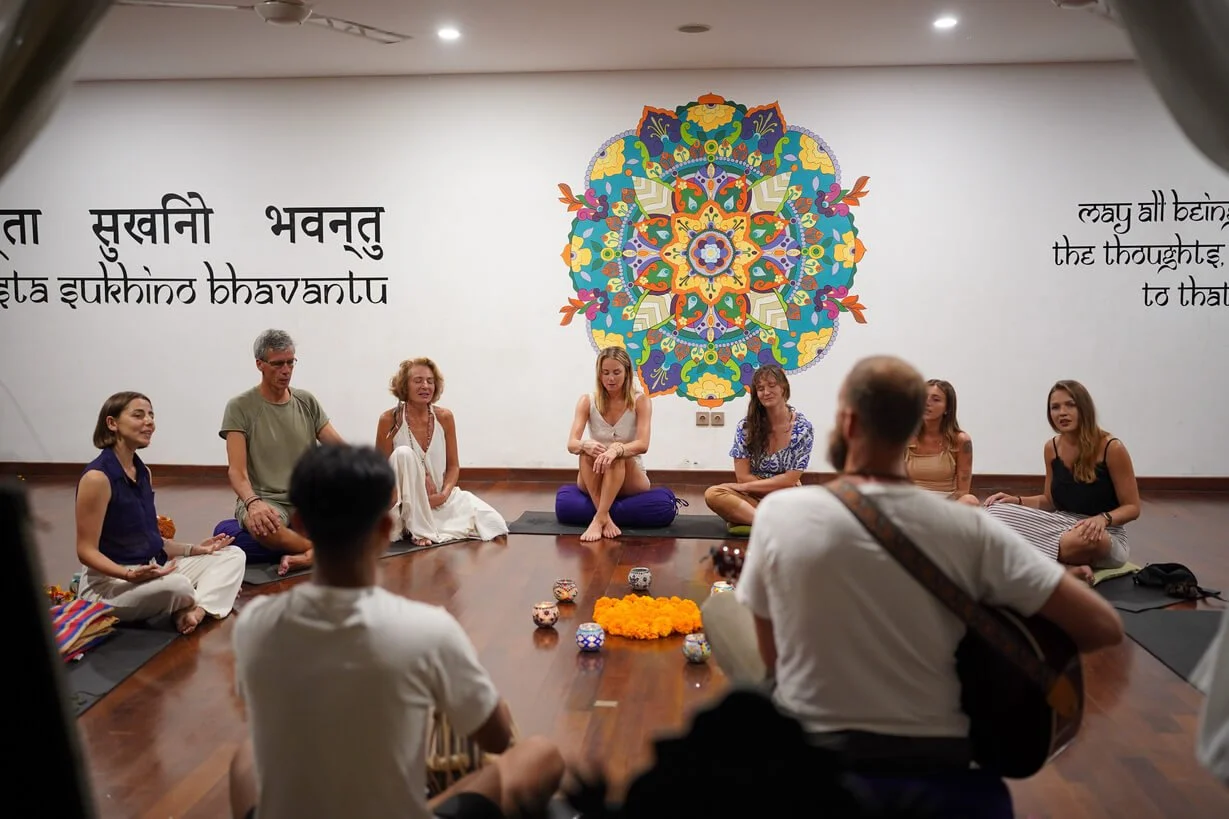
Yoga and meditation are often included in wellness retreats because they create structured opportunities to pause. You do not need to be an experienced practitioner to begin.
4. Your Routine Has Become All Work and No Recovery
A productive routine needs recovery as well as activity.
If your days have gradually become a cycle of work, commuting, screens, meals and sleep, you may eventually notice that there is very little space for activities that make you feel refreshed.
This is not necessarily about being unproductive. In fact, rest can be easier to appreciate when you stop treating it as something you have to earn.
A wellness retreat can temporarily introduce a different rhythm: a morning yoga session, a relaxed breakfast, time in nature, an optional spa treatment, cultural activities and an evening without the pressure to accomplish anything.
You can then decide which parts of that rhythm are realistic to carry home.

5. You Keep Saying "I Need a Break" but Never Take One
Sometimes the clearest sign is the sentence itself.
"I need a holiday."
"I need to get away."
"I just want a few quiet days."
If you have been saying these things repeatedly for months but keep postponing them, it may be worth asking what you actually need from a break.
Do you want adventure? Social connection? Sleep? Nature? Quiet? Movement? Time without your phone? A chance to try something completely different?
A wellness retreat can be useful when you want a break with some structure, rather than having to plan every detail yourself.
At De Moksha, retreat options include programs with yoga, meditation, wellness activities and Balinese cultural experiences, with different durations available depending on the retreat.
6. You Feel Disconnected From Activities You Normally Enjoy
Stress does not always look like obvious exhaustion.
Sometimes it looks like losing interest in things you usually enjoy. You may have less patience for hobbies, stop making plans with friends, or find that even a weekend outing feels like another task on the calendar.
A change of environment can give you an opportunity to step outside that pattern.
That might mean walking through rice-field surroundings, joining a yoga class, trying a Balinese cooking experience, enjoying a spa treatment or simply sitting somewhere quiet with no particular objective.
The important part is not forcing yourself to "feel better." It is creating conditions where you have time to notice what you genuinely enjoy again.
If a persistent loss of interest or other symptoms are affecting your daily life, a wellness retreat should not be treated as a substitute for professional care. A retreat can be a personal break, while ongoing mental or physical health concerns deserve appropriate medical or professional support
7. You Want a Reset Without an Overloaded Holiday
Not everyone wants a holiday filled with sightseeing, traffic, restaurant reservations and tightly scheduled activities.
You may want to travel somewhere beautiful but still have plenty of time to do nothing.
That is where a wellness retreat can feel different from a conventional holiday.
Instead of asking, "What should I see today?" you can ask, "What would feel good today?"
Perhaps it is morning yoga followed by breakfast and several quiet hours. Perhaps it is a spa treatment in the afternoon. Perhaps you want to explore Tanah Lot or a nearby village. Or perhaps you simply want to spend time in your villa.
The flexibility to choose is part of the experience.
What Does a Wellness Retreat Actually Give You?
A wellness retreat is not a magic solution for stress, burnout or every difficult period in life.
What it can provide is a temporary environment designed around rest, wellbeing and intentional time.
At De Moksha, the retreat experience combines a peaceful setting in Tabanan with options including yoga, meditation, spa treatments, nature activities and Balinese cultural experiences.
Its Yoga, Meditation and Balinese Culture Retreat can be arranged for 3 to 7 days, while other wellness programs offer different durations and structures. This allows travelers to choose an experience based on the amount of time and structure they want.
That variety means a retreat does not have to look the same for everyone.
One person may want a structured schedule. Another may prefer a private villa and selected activities. Someone else may want to focus mainly on yoga and meditation.
The right approach is the one that matches your reason for going.
How to Know What Kind of Wellness Retreat You Need
Before booking, think about what you are actually hoping to get from the experience.
If your main problem is constant stimulation, look for a quieter environment with personal time.
If you want to establish a movement or mindfulness routine, look for a retreat with regular yoga and meditation.
If you are interested in culture as well as wellness, consider a program that includes Balinese activities and local experiences.
If relaxation is your priority, look for accommodation and wellness facilities that allow you to slow down rather than filling every hour.
And if you are experiencing persistent physical or emotional symptoms, consider speaking with a qualified healthcare professional rather than assuming a retreat is the answer.
A wellness retreat should support your personal wellbeing, not replace appropriate care.
Why Bali Can Work Well for a Wellness Break
Bali offers a combination of nature, cultural experiences, wellness traditions and different styles of accommodation, which makes it possible to build very different kinds of trips. Its rice terraces and water-temple landscapes are even recognized by UNESCO as the Cultural Landscape of Bali Province.
For travelers who want a quieter setting, Tabanan offers a different pace from Bali's busier tourism areas.
At De Moksha, guests can combine retreat activities with private time, villa accommodation, vegetarian and vegan dining, spa experiences and exploration around Tanah Lot and the surrounding area.
That makes it possible to create a stay that feels restorative without requiring every day to follow a strict schedule.
You do not have to arrive exhausted. You do not have to wait until everything becomes overwhelming.
Sometimes the better time to pause is before you reach that point.
A Wellness Retreat Does Not Have to Be a "Life Reset"
Wellness content often makes retreats sound like they have to transform your entire life.
They do not.
You can book a retreat simply because you want a few quiet days. You might want to sleep, read, walk, practice yoga, enjoy good food, experience Balinese culture or spend time somewhere peaceful.
There does not have to be a dramatic breakthrough at the end.
A successful wellness trip can be much simpler: you return home with a little more space in your head, a slower rhythm and a clearer idea of which parts of your routine you want to keep.
Is It Time for a Wellness Retreat?
If several of these signs sound familiar, it may be worth considering what kind of break would genuinely help you.
You may need a weekend at home. You may need better boundaries around work. You may need to speak with someone you trust or a healthcare professional. Or you may decide that a few days away in a peaceful environment would give you the breathing room you have been missing.
The point is not to wait until you are completely exhausted before allowing yourself to rest.
At De Moksha, a wellness stay can be as structured or flexible as you prefer, with options for yoga, meditation, spa treatments, cultural experiences, nature and personal time. When you're ready, you can check availability and book your stay.
Sometimes, slowing down is not about doing less forever.
It is about giving yourself enough space to decide what matters next
Frequently Asked Questions
-
No. People choose wellness retreats for many reasons, including wanting more personal time, practicing yoga, exploring mindfulness, enjoying nature, experiencing Balinese culture or simply taking a break from their normal routine
-
There is no universal answer. A few days may be enough for someone who wants a short pause, while a longer program may suit someone looking for more structure. De Moksha offers retreat experiences with different durations depending on the program.
-
Not necessarily. Retreat programs can be suitable for people with different levels of experience. If you are new to yoga or meditation, check the specific program details and ask the retreat provider what level is appropriate.
-
Not always. At De Moksha’s Yoga, Meditation and Balinese Culture Retreat, scheduled activities are not compulsory, allowing guests to have personal time as well.
-
A wellness retreat should not be considered a replacement for professional medical or mental health care. It can provide rest and supportive activities, but persistent or serious symptoms should be discussed with an appropriate healthcare professional.
-
Start with your reason for going. Consider the retreat’s location, accommodation, schedule, activities, personal time, wellness facilities and program duration. Choose an experience that matches what you actually want from the trip rather than choosing based only on photographs or a long list of activities.