
Slow Travel in Bali: Why Staying Longer Can Change the Way You Experience the Island
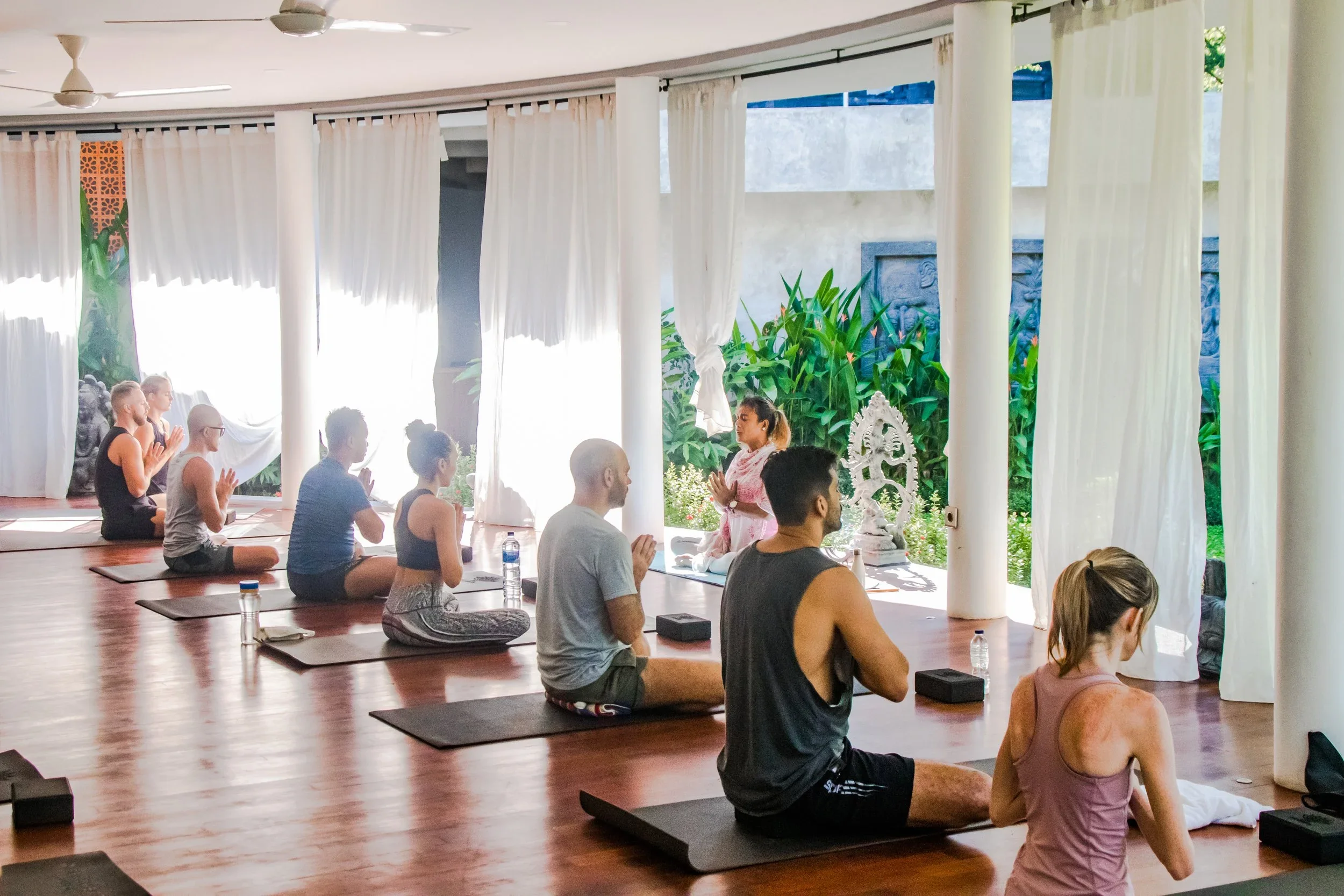
How much of Bali do you need to see to feel like you have really experienced it?
It is easy to plan a trip around a long checklist: Canggu for cafés, Ubud for culture, a waterfall, a temple, a beach club, another hotel, another sunset spot — and then suddenly the holiday is over.
There is nothing wrong with wanting to explore. Bali has an extraordinary amount to discover.
But there is another way to travel here.
Slow travel is less about how many places you can fit into a week and more about giving yourself enough time to notice where you already are. It means staying longer, changing hotels less often, leaving gaps in the itinerary and allowing ordinary moments to become part of the trip.
At De Moksha in Tabanan near Tanah Lot, that approach feels natural. Rice fields, village life, the river, the coast, yoga, wellness, Balinese culture and long stretches of unplanned time can all exist within the same stay.
You do not necessarily need to see more of Bali to experience more of Bali.
1. What Is Slow Travel?
Slow travel is not simply taking a long holiday.
It is a way of traveling that gives more attention to place, pace and experience. Instead of moving constantly from one attraction or hotel to another, you spend enough time somewhere to develop a rhythm.
You might return to the same restaurant twice. Take the same village road in the morning. Recognize the landscape outside your room. Leave an afternoon free because you do not know yet what you will feel like doing.
The goal is not to avoid sightseeing. It is to make sightseeing one part of the trip rather than the entire trip.
2. Bali Is Easy to Over-Schedule
Bali looks small on a map, which can make an ambitious itinerary seem realistic.
But moving around the island takes time, and traffic can make travel between areas unpredictable. A day that looks simple on paper can quickly become several hours in a car.
Changing accommodation repeatedly also takes energy: packing, checking out, traveling, waiting to check in and learning another new area.
A slower itinerary reduces some of that friction. Choose a base you actually enjoy spending time in, then explore from there.
3. Staying Longer Lets You Experience a Place Beyond Its Highlights
A quick visit often shows you the things a destination is famous for. A longer stay begins to show you its everyday rhythm.
Tabanan is a good example.
Many travelers know the area because of Tanah Lot, one of Bali’s most recognizable sea temples. But the wider region also includes rice-field landscapes, traditional villages, local roads, coastline and a quieter pace than Bali’s busiest tourism districts.
Staying in the area rather than only visiting for an hour gives you more time to experience those surroundings without turning them into another item on a checklist.
4. Slow Travel Does Not Mean Doing Nothing
A slower holiday can still be full of experiences.
The difference is that you do not have to fit all of them into the same day.
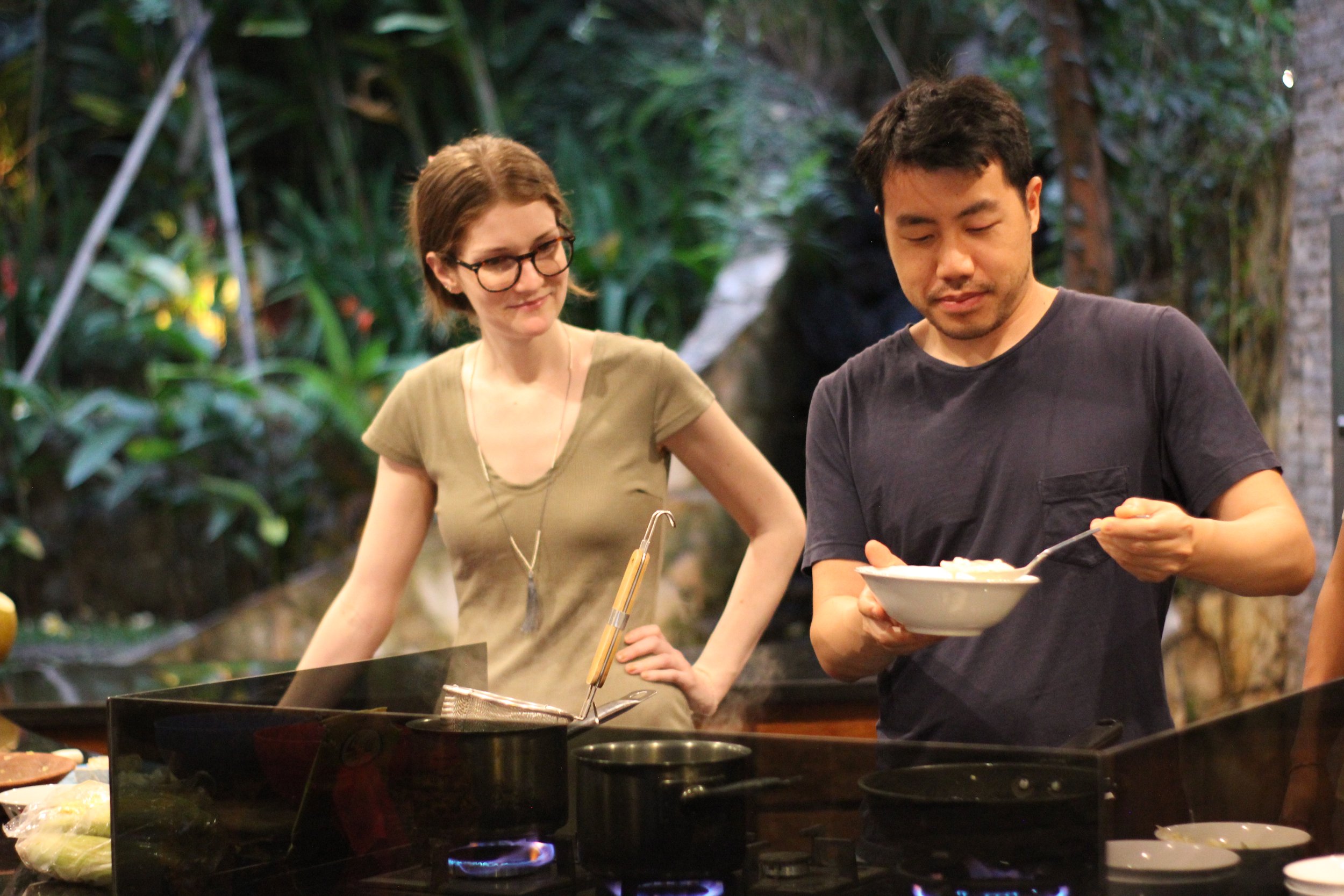
One morning might begin with yoga. Another day could be spent exploring the coast or Tanah Lot. You might join a Balinese cultural activity, book a spa treatment, walk around the surrounding area or spend an afternoon by the pool.
And sometimes you might decide to do very little at all.
Slow travel gives those different kinds of days equal value.
5. Leave Space for Bali’s Culture
Culture is difficult to experience when every encounter has to fit into a short time slot.
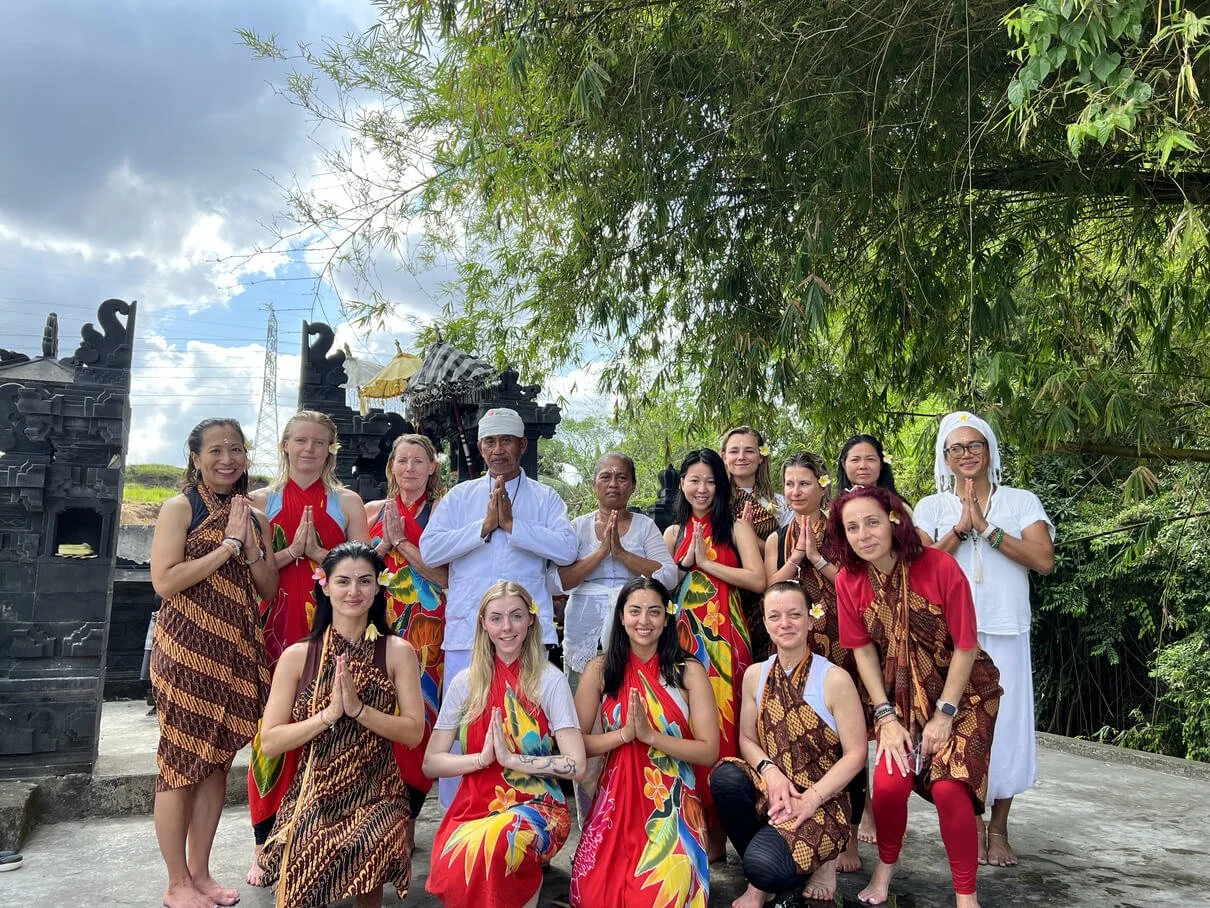
At De Moksha, guests can explore Balinese culture through selected activities and retreat programs. Depending on the program and availability, experiences can include Balinese dance, cooking, traditional offering making, village exploration and local visits.
These activities should not be treated as a checklist of 'authentic Bali.' They are opportunities to learn, participate respectfully and understand a little more about the place you are visiting.
Having more time also means you can experience culture without rushing immediately to the next attraction.
Explore De Moksha’s Yoga, Meditation & Balinese Culture Retreat.
6. Let Wellness Become Part of the Day, Not Another Task
Wellness holidays can become surprisingly busy when every hour is scheduled.
A slower approach is different.
You might join yoga because you feel like moving in the morning, book a massage after a day of exploring or spend quiet time by yourself without needing to turn it into a formal wellness activity.
De Moksha has a Yoga & Wellness Center, daily yoga, spa treatments and structured retreat programs for guests who want more guidance. But staying at the resort does not require joining a retreat.
That flexibility makes it possible for wellness to support the holiday rather than control it.
See the De Moksha Yoga & Wellness Center and current retreat programs.
7. Eat Without Rushing to the Next Reservation
Food is one of the simplest ways to slow down while traveling.
Instead of treating every meal as another destination to reach, leave room for long breakfasts, relaxed lunches and evenings when you would rather stay close to your villa.
Swarga Rasa Ristorante at De Moksha is positioned between rice fields and the river bordering the resort. The kitchen uses carefully selected local ingredients and prepares meals fresh daily, with Indonesian and Balinese flavors alongside Italian-inspired dishes.
Having dining at the resort also means you can choose when to explore Bali’s restaurant scene and when to simply stay in.
8. Choose Accommodation You Actually Want to Spend Time In
Slow travel works best when your accommodation is more than somewhere to sleep.
If you are staying longer, space, privacy, natural surroundings and facilities become more important.
De Moksha currently offers five villa categories ranging from 60 sqm to 250 sqm, including river-view, pool-access and private-pool options.
A comfortable base changes the psychology of a holiday. You stop feeling that every hour spent at the hotel is an hour wasted, because staying in is part of the experience.
Compare the current De Moksha villa collection.
9. Explore the Coast Without Making the Beach Your Entire Holiday
De Moksha is not beachfront and does not have beach-view villas. The resort is set inland among rice fields, tropical greenery and river surroundings, with the beach approximately five minutes away.
That creates an interesting balance for slow travelers.
You can head to the coast when you want it, explore the Tanah Lot area, then return to a completely different landscape.
The beach becomes one part of the destination rather than the only reason to be there.
10. Slow Travel Can Be More Thoughtful
Moving less frequently can also encourage more conscious travel choices.
Staying longer in one place can mean fewer hotel changes, more opportunities to use local services and more time to understand the environment around you.
At De Moksha, confirmed sustainability practices include avoiding single-use plastics, using biodegradable amenities and integrating the resort’s architecture with the surrounding landscape.
Slow travel is not automatically sustainable, and staying longer does not erase the environmental impact of travel. But traveling with more intention can make it easier to think about where you stay, what you consume and how you interact with the destination.

Learn more about De Moksha’s eco-friendly boutique resort approach.
11. A Slow Bali Trip Does Not Have to Be a Long Trip
You do not need three weeks to travel slowly.
Even a three- or five-night stay can feel different when you stop trying to fill every available hour.
The principle is simple: choose fewer priorities and give them more time.
Instead of trying to visit three parts of Bali in three days, you might choose one base. Instead of scheduling four activities in a day, choose one and see what happens afterward.
Slow travel is as much about the design of your itinerary as the length of your holiday.
12. What Could 3, 5 or 7 Slow Days in Tabanan Look Like?
A three-day stay can be an introduction: settle into your villa, explore the Tanah Lot area, enjoy yoga or spa time and deliberately leave part of one day unplanned.
With five days, you have room to alternate exploration and rest. Visit the coast or surrounding villages one day, stay closer to the resort the next, try a cultural activity and give yourself enough time to enjoy the villa and pool.
Seven days creates even more breathing room. You can add wider Tabanan exploration, wellness sessions or retreat-style activities without needing every day to be productive.
These are not schedules you need to follow. That would rather defeat the point. They are reminders that a good Bali itinerary can contain empty space.
13. Who Is Slow Travel in Bali For?
Slow travel can suit couples who want time together without a packed itinerary, solo travelers who want space to reflect, wellness travelers, repeat visitors who no longer feel the need to see every major attraction, and anyone tired of returning from a holiday feeling like they need another holiday.
It may be less suitable if your main goal is to cover as many regions and attractions as possible in a short time.
Neither style is inherently better. The question is what kind of trip you want this time.
De Moksha as a Base for a Slower Bali
De Moksha is designed around a quieter experience of Bali.
The resort’s Tabanan setting combines rice fields, river surroundings and traditional village life with boutique villas, yoga, spa, dining, cultural experiences and access to the coast and Tanah Lot area.
You can join a structured retreat if you want guidance. You can book individual wellness experiences. You can explore. Or you can simply stay in your villa and let the day unfold more slowly.
That may be the most useful idea behind slow travel: you do not have to make every moment count.
Sometimes you just need enough time to notice it.
Explore De Moksha, its villas and wellness experiences.
Frequently Asked Questions About Slow Travel in Bali
-
Slow travel means spending more time experiencing fewer places rather than moving constantly between attractions and hotels. It can include longer stays, fewer scheduled activities, more local experiences and more unplanned time.
-
No. Slow travel is about pace as much as duration. Even a three- or five-night stay can feel slower if you choose one comfortable base and avoid filling every hour.
-
Tabanan can suit travelers looking for rice-field landscapes, village surroundings, the Tanah Lot area, coastline and a quieter atmosphere than some of Bali’s busiest tourism districts.
-
Yes. A slower travel style does not mean staying at the resort every day. De Moksha can be used as a base for exploring Tabanan, Tanah Lot, the coast and other parts of Bali, while also leaving time for the resort itself.
-
No. De Moksha is an eco-friendly boutique resort as well as a yoga and wellness retreat destination. Guests can book villa accommodation without joining a structured retreat.
-
Depending on current schedules and availability, you can join yoga, book a spa treatment, enjoy the pool, dine at Swarga Rasa, try selected cultural or creative activities, or simply spend time at your villa.
-
The beach is approximately five minutes from the resort. Guests should confirm the current route and transport details with De Moksha, as travel time can vary.
-
Slow travel can encourage fewer hotel changes, more local engagement and more thoughtful consumption, but it is not automatically sustainable. Transport choices, accommodation practices and individual behavior still matter.
-
There is no single ideal length. Three nights can introduce the area, five nights gives more room to alternate exploration and rest, and seven nights allows an even more relaxed rhythm. The best choice depends on your wider Bali itinerary.