
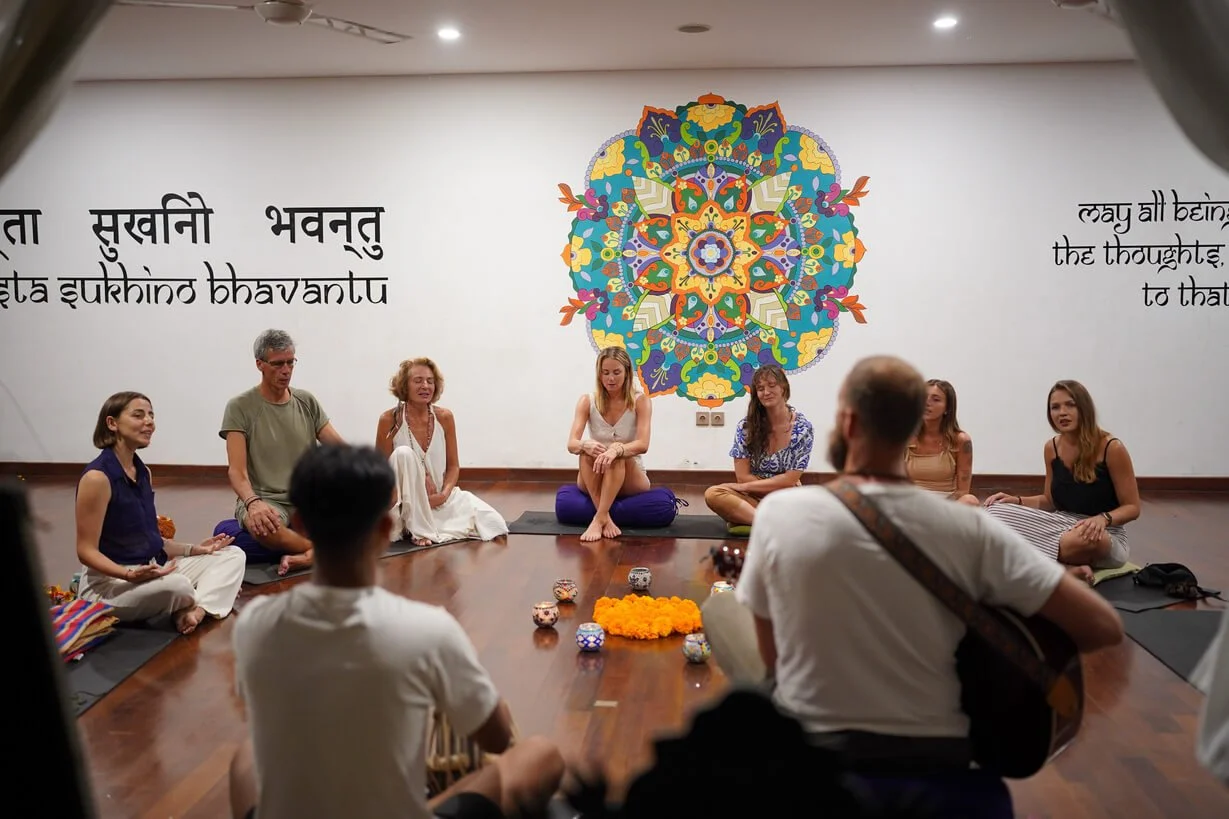
Bali is one of the world's most popular places to host a retreat, and it's easy to see why. The island offers warm weather, a deep spiritual culture, lush landscapes, and a wellness scene that few destinations can match. But that popularity creates a challenge: with hundreds of options across the island, how do you pick the right one?
Whether you're a yoga teacher planning your first group retreat, a corporate team organizing an offsite, or a traveler booking a personal wellness escape, the venue shapes everything. It affects your guests' comfort, your schedule, and the overall atmosphere. This guide walks through the key factors to weigh before you commit.
1. Start With the Purpose of Your Retreat
Before comparing venues, get clear on what the retreat is actually for. A silent meditation retreat needs very different surroundings from a yoga teacher training, a creative workshop, or a team-building week.
Ask yourself:
Is the focus yoga, meditation, wellness, learning, or celebration?
How many people are attending?
Do guests need private space, shared space, or both?
Is the atmosphere meant to be social and lively, or quiet and reflective?
Your answers become a filter. A venue that is perfect for a lively group of twenty may feel wrong for a small, contemplative gathering.
2. Choose the Right Location in Bali
Bali's regions feel remarkably different. Seminyak and Canggu offer cafes and nightlife, Ubud is known for its arts and spirituality, and the coastal villages of Tabanan are quieter and more rural, with rice fields and temples close by.
Think about what your guests will want from their surroundings. A retreat focused on rest and reflection often benefits from a location away from the busiest tourist strips, where noise and traffic are minimal. Also consider travel time from the airport. A long transfer after an international flight can set the wrong tone before the retreat even begins.
3. Check Accommodation Types and Capacity
Accommodation is often the make-or-break factor. Look closely at the range of rooms, how many guests the property can sleep, and whether the layout suits your group.
Flexible venues are especially useful. For example, Villa Moksha's villas range from deluxe rooms with river or pool access to one-bedroom and two-bedroom villas with private pools, which makes it easier to accommodate a mix of solo travelers, couples, and groups sharing space.
When reviewing accommodation, ask about:
Room configurations (single, twin, shared villas)
Air conditioning, hot water, and reliable Wi-Fi
Privacy and noise levels between rooms
Whether the property can host your full group on-site
4. Look at Practice and Event Spaces
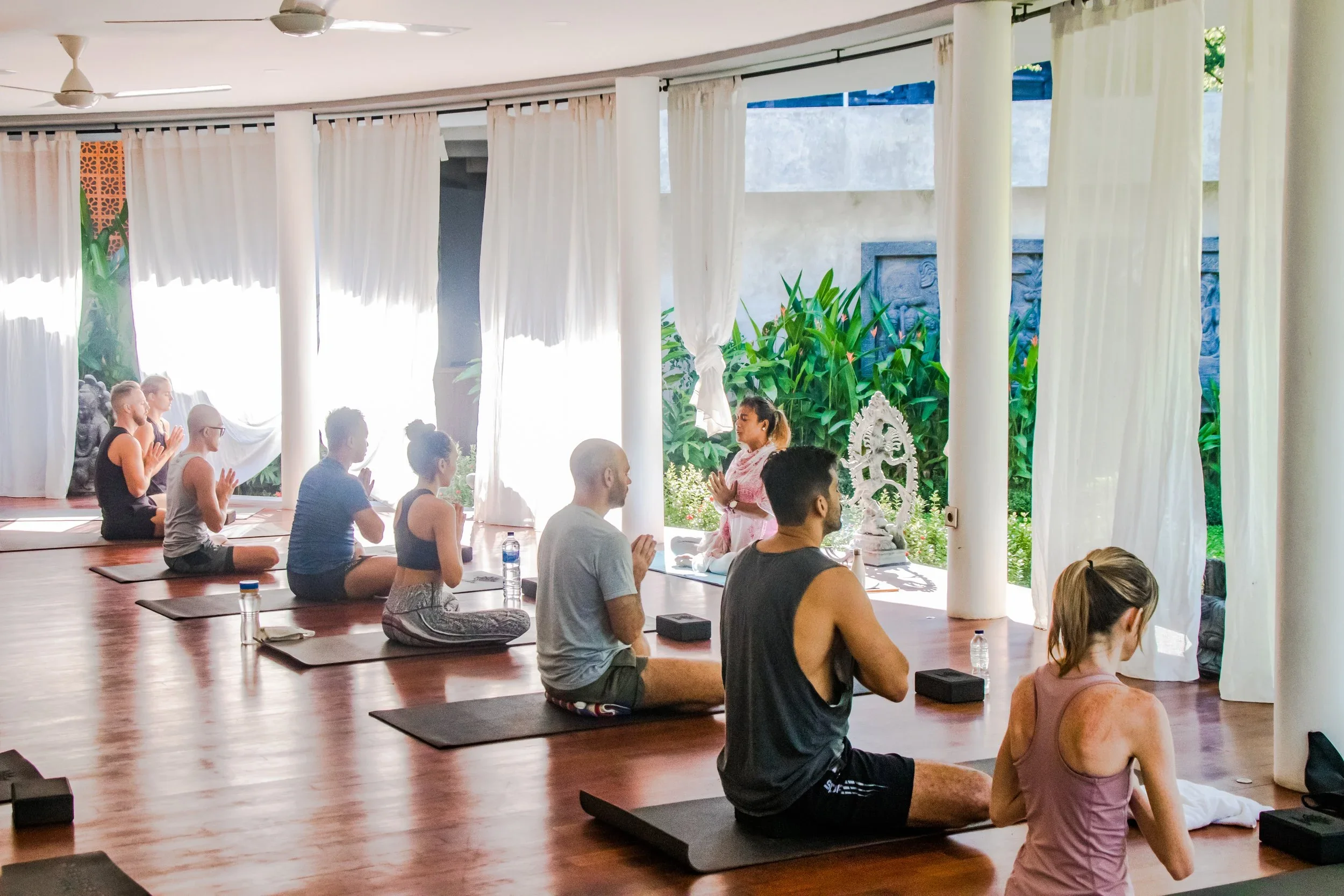
If your retreat involves yoga, meditation, workshops, or ceremonies, the practice space matters as much as the bedrooms. Check the size, flooring, shade, ventilation, and views. An open-air shala surrounded by greenery feels very different from an enclosed hall.
Some venues also offer dedicated venue rental options for private groups, which is worth exploring if you want exclusive use of a space for workshops, trainings, or events.
It's also worth asking what's available on-site without extra arrangements. Daily yoga classes and spa treatments can add real value to a retreat schedule, especially if your guests want optional wellness activities outside the main program.
5. Consider Food and Dining
Food shapes the retreat experience more than most organizers expect. Guests will eat three meals a day, so quality, variety, and flexibility matter.
Ask whether the venue can accommodate vegetarian, vegan, gluten-free, or allergy-specific diets, and whether menus can be customized for your program. A venue with its own on-site dining simplifies logistics, since you won't need to arrange outside catering or transport guests to restaurants.
6. Think About Timing and Season
Bali has two main seasons: a dry season that runs roughly from April to October, and a wetter season from November to March. Bali's seasonal weather affects more than comfort. It influences pricing, availability, and the activities you can plan.
The dry season is popular, so the best venues can book out months ahead, especially around July and August. The wetter months tend to be quieter and often more affordable, and the landscape is at its greenest. Neither is "better." It simply depends on your group's priorities and budget. If you're comparing options in more depth, this guide to the best time to visit Bali offers a helpful month-by-month overview.
7. Ask About Logistics and On-Site Support
The best venues make the practical side easy. Before booking, find out:
Whether airport transfers can be arranged
What the cancellation and rebooking policies are
Whether a dedicated coordinator or team will support your group
What activities, tours, and cultural experiences are available nearby
Venues that offer local activities and cultural workshops, such as cooking classes, Balinese offering workshops, or village cycling tours, give your guests meaningful ways to experience the island without extra planning on your part.
8. Visit, Ask Questions, and Trust Your Instincts
Photos can only tell you so much. If possible, arrange a video call or a site visit, and ask to see the spaces your group will actually use. Notice how responsive and clear the team is when answering your questions. Good communication before booking is usually a good sign of how the stay will go.
Finally, trust your instincts. The right venue should feel like a natural fit for the energy of your retreat. If you're still exploring ideas, you can browse the types of retreats offered at Villa Moksha to see how different programs come together.
-
For group retreats, booking three to six months ahead is a sensible starting point, and even earlier for peak months like July and August. Smaller or personal retreats can often be arranged with shorter notice.
-
Focus on location, accommodation types, practice and event spaces, food options, and on-site support. Matching these to your retreat's purpose is more important than choosing the most popular or most photographed property.
-
Ubud is well known for yoga and spirituality, but it can be busy. Quieter areas like Tabanan offer a more peaceful setting with rice fields and traditional villages, which many retreat organizers prefer for rest-focused programs.
-
Many Bali venues offer private or exclusive-use options. Ask directly about availability, minimum stay requirements, and what's included.
-
Most reputable venues can cater to common dietary needs such as vegetarian, vegan, and gluten-free. Always share requirements in advance so the kitchen can plan properly.
-
The dry season (roughly April to October) offers the most reliable weather, while the wetter months are quieter and often more budget-friendly. The best choice depends on your group and goals.
Final Thoughts
Choosing a retreat venue is ultimately about alignment. The right place supports your purpose, makes your guests feel comfortable, and removes friction from the logistics. Take time to define your goals, ask detailed questions, and compare venues based on what truly matters for your group, not just how they look online.
If you're considering a peaceful setting near Tanah Lot with villas, yoga, spa treatments, and on-site dining, you can explore Villa Moksha's wellness offerings to see whether it fits the retreat you have in mind.