
How Much Does a Bali Retreat Really Cost?
Ask ten travelers what their Bali retreat cost and you will hear ten different answers. That is not because anyone is exaggerating. It is because a retreat on the island of Bali can mean a $60-a-night yoga hostel or a private villa with a personal chef. The real question is not "how much does it cost?" but "what am I actually paying for?" This guide breaks the price down honestly so you can plan a Bali retreat that fits both your budget and your expectations.
What Does a Bali Retreat Actually Include?
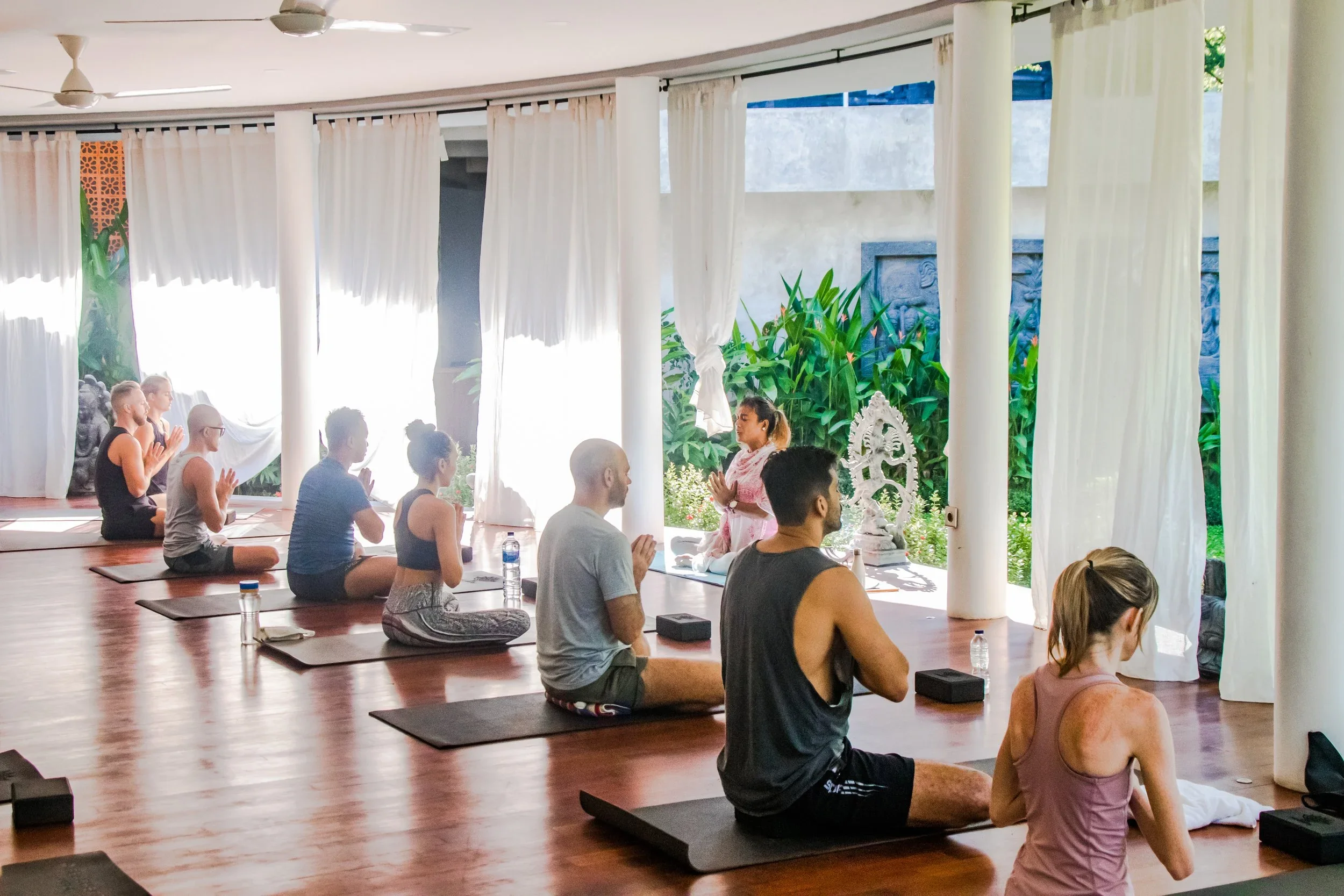
Most people assume a Bali retreat is simply accommodation plus yoga. In practice, a well-run program bundles several layers: your room, daily meals, guided classes, and often cultural experiences such as offering workshops or village walks. Browsing the Retreats page of a resort is the quickest way to see what is covered and what is billed separately. Always check whether airport transfers, excursions and spa time are inside the package, because that single detail can swing the final price by hundreds of dollars.
Bali Retreat Cost by Budget Level
Prices vary by season, location and group size, so treat the figures below as rough planning ranges per person rather than quotes. Ubud and Tabanan tend to offer more calm for the money than the busiest beach areas, and booking outside July, August and the year-end holidays usually lowers rates.
Budget (about $70 to $130 per night): Shared or simple private rooms, vegetarian meals, one or two classes a day.
Mid-range (about $130 to $280 per night): Private villa or boutique room, full meals, daily yoga plus workshops.
Luxury (about $300 and above per night): Private pool villa, tailored wellness plans, spa treatments and curated experiences.
A seven-night Bali retreat therefore lands anywhere from roughly $500 to well over $2,000, before flights.
Where Your Bali Retreat Money Goes
Understanding the split makes it easier to judge whether a price is fair. Here is a typical breakdown of a mid-range package:
Accommodation (40% to 50%): The largest share, driven by room type. A private pool or river view raises it quickly.
Meals (15% to 20%): Fresh, plant-forward cooking is often included, and quality here makes a big difference to the experience.
Classes and teachers (15% to 20%): Experienced instructors and small groups cost more, but you feel the difference.
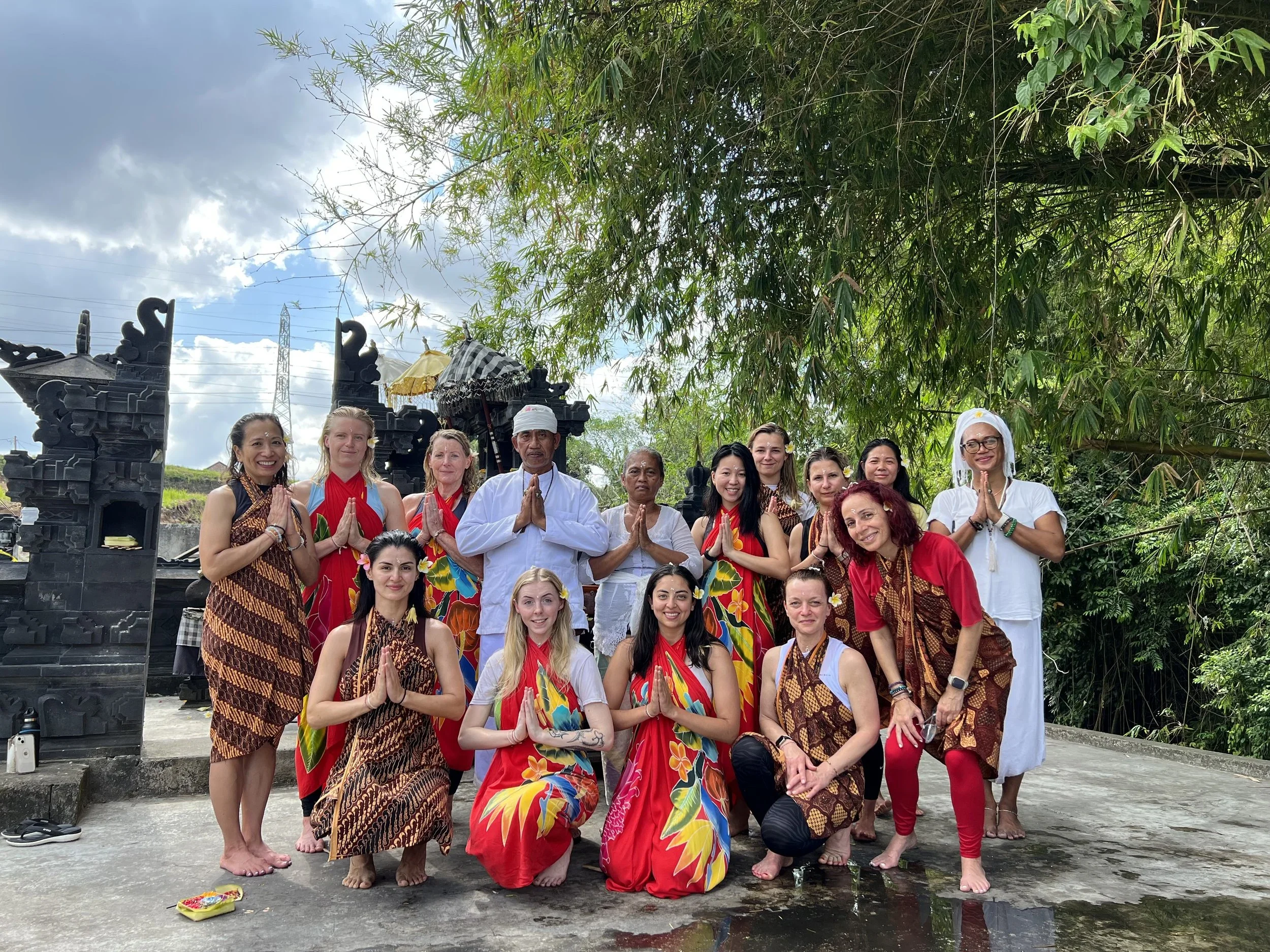
Activities and culture (10% to 15%): Dance classes, cooking sessions and rice field walks.
Operations and extras (5% to 10%): Staff, airport pickup and taxes.
Hidden Costs Most Bali Retreat Guides Skip
The sticker price rarely tells the whole story. Before you book, keep these easily forgotten items in mind:
Flights and visa: Often the biggest single expense, and not part of any package.
Travel insurance: Essential for wellness travel, usually $30 to $90 depending on cover.
Add-on activities: Resort extras are usually priced per person, such as a cooking class around $55 or a village cycling tour near $12.
Treatments and readings: Spa sessions, massages and energy readings are generally charged separately.
Tipping and souvenirs: Small, but they add up over a week.
Bali Retreat vs. Yoga Teacher Training: Comparing the Cost
If you are weighing a relaxing getaway against deeper study, the price gap is worth understanding. A teacher course is longer, usually three to four weeks, so the total is higher even when the daily rate looks similar. Programs such as YTT combine accommodation, meals and certification, which can actually be cheaper per day than booking those elements separately. For a short reset a standard Bali retreat is the better value, while a training course suits those who want a qualification to take home.
Choosing the Right Stay for Your Bali Retreat
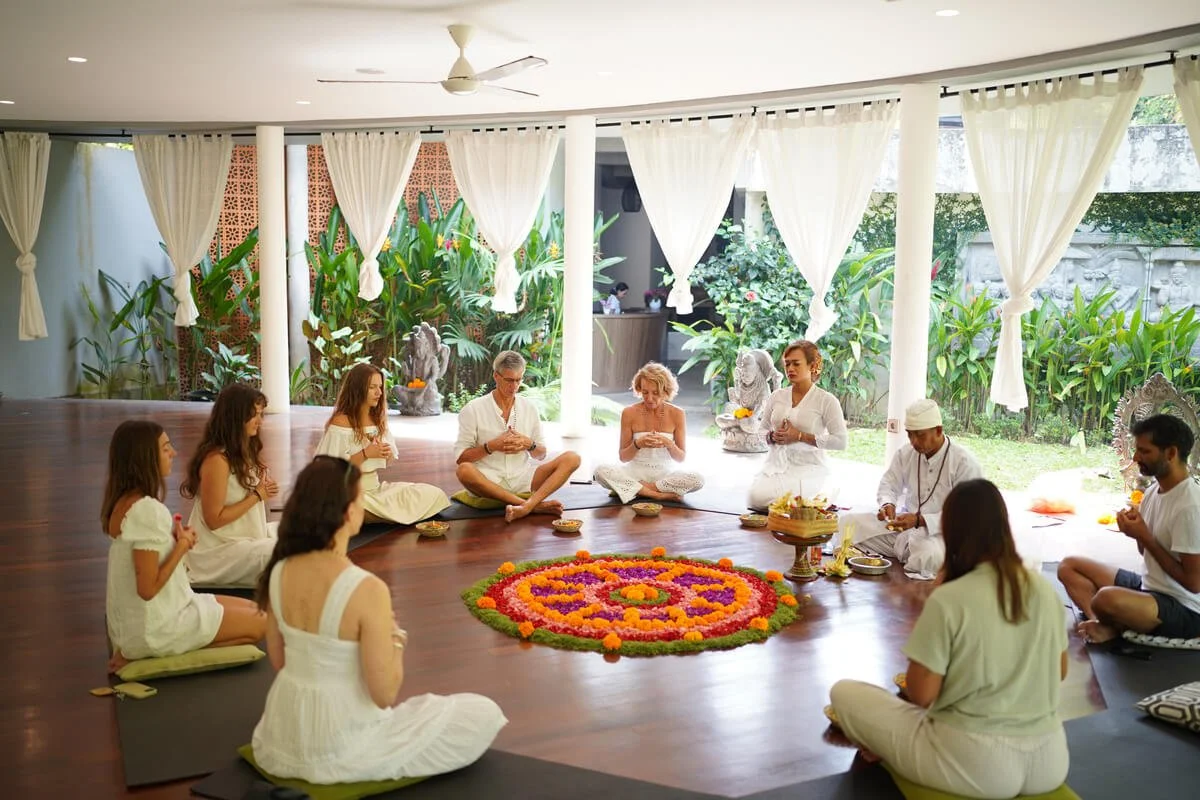
Where you sleep shapes both your budget and your mood. Browsing the range of Villas shows how much the price shifts between a river-view room, a one-bedroom villa with a private pool, and a two-bedroom option for families or friends. Sharing a larger villa is one of the smartest ways to enjoy privacy without paying a luxury single-traveler rate. Quiet rice-field settings also tend to deliver better sleep and a more authentic feel than crowded tourist strips.
Wellness and Food: The Value Inside a Bali Retreat
A good Bali retreat feels expensive only if you compare it to a normal hotel. Once you count daily classes, treatments and chef-prepared meals, the value becomes clear. Explore Wellness offerings to see how massage, yoga and holistic therapies are priced, and check the Dining page to find out whether meals are fixed-menu or flexible. Eating well is a core part of recovery, so a package that skimps on food is rarely a bargain.
Group Bali Retreat Costs: Organizers and Corporate Teams
Planning something for friends, a team or your own students? A private group booking can cut the per-person price noticeably, especially when you hire a space instead of individual rooms. A resort that offers Venue Rental lets organizers host workshops, ceremonies or leadership sessions on one property, which saves transport and coordination costs. Always ask about minimum group sizes and whether a facilitator fee is included.

Smart Ways to Save on Your Bali Retreat
A few simple habits can reduce the cost of a Bali retreat without lowering the quality. Travel in the shoulder months of April to June or September to October, book early for better room choices, and choose all-inclusive programs when possible so you avoid surprise bills. Consider staying slightly longer, since many resorts lower the nightly rate for extended stays. For more planning ideas and seasonal tips, read more on the Blog.
Is a Bali Retreat Worth the Money?
The honest answer depends on what you want back. If you simply want a beach holiday, a retreat may feel pricey. If you want rest, structure, nourishing food and time away from screens, it is often better value than a week of scattered bookings. The most satisfied guests choose a Bali retreat that matches their goals instead of chasing the cheapest or most glamorous option.
-
A week-long Bali retreat typically costs between $500 and $2,000 per person, excluding flights, depending on the room type, location and what is included.
-
Prices change with accommodation type, group size, season, meal quality, teacher experience and the number of included activities.
-
Most packages include accommodation, daily meals, yoga or wellness classes and some cultural activities. Transfers, spa treatments and excursions may cost extra.
-
The shoulder seasons, roughly April to June and September to October, usually offer lower rates and fewer crowds than peak summer and holiday periods.
-
Quiet areas such as Ubud and Tabanan are popular for their rice fields and calm atmosphere, often with better value than busy beach districts.
-
Seven days is a good starting point for most people, while ten to fourteen days allows deeper rest and more noticeable benefits.
-
It suits solo travelers, couples, friends, burned-out professionals and anyone wanting a structured break focused on wellbeing.